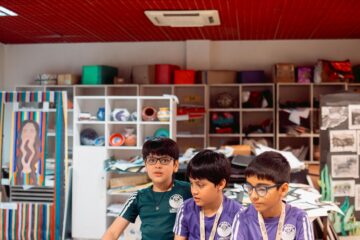
In the dynamic landscape of education, technology has evolved into a pivotal tool that fundamentally transforms teaching and learning experiences, especially within International Baccalaureate (IB) classrooms. By integrating digital tools and resources, IB educators can create dynamic and interactive learning environments that cater to diverse student needs and enhance engagement. Technology facilitates personalized learning experiences through adaptive learning platforms, interactive simulations, and multimedia resources that foster deeper understanding and critical thinking skills among students.
Virtual classrooms and online discussion forums are examples of digital collaboration tools that foster communication, teamwork, and global connectedness, preparing IB school students to succeed in an interconnected world. The smart use of technology not only increases access to educational resources and possibilities, but also fosters digital literacy, creativity, and innovation among students. As IB schools in Gurgaon incorporate technology into their instructional framework, they enable students to excel academically, develop critical 21st-century skills, and become lifelong learners capable of navigating a fast-changing global environment.
The Evolution of Technology in IB Classrooms
Technology integration in IB schools in Gurgaon has grown dramatically over time, moving away from traditional approaches and towards digital tools and resources that meet a variety of learning needs. IB educators use technology to create immersive and personalised learning environments, including interactive whiteboards, instructional apps, online collaboration platforms, and virtual simulations.
Benefits of Technology Integration
- Personalized Learning Experiences: Technology enables personalised learning experiences that are adapted to each student’s needs and learning style. Adaptive learning platforms and AI-powered tools use student performance data to deliver targeted feedback and personalised learning paths, ensuring that each student advances at their speed.
- Enhanced Collaboration and Communication: Digital solutions like Google Workspace, Microsoft Teams, and Zoom let IB students and educators collaborate and communicate more effectively. Virtual classrooms allow for real-time conversations, group projects, and peer cooperation, which promotes teamwork and collective problem-solving abilities.
- Access to Global Resources: The Internet provides IB students with access to a diverse range of global resources, including digital libraries, online databases, and educational websites. This access enables students to investigate other points of view, conduct research, and obtain a greater understanding of complex subjects than typical textbooks can provide.
- Promotion of Critical Thinking and Creativity: Interactive simulations, virtual labs, and multimedia presentations assist students in top IB schools in Gurgaon in thinking critically about content and applying theoretical knowledge to real-world scenarios. Technology-enhanced activities foster creativity, ingenuity, and self-directed inquiry, preparing pupils for academic challenges and practical applications.
- Preparation for Future Careers: Teachers in IB schools in Gurgaon use technology to teach students digital literacy skills as well as expertise in using digital tools, which are required for future work. Exposure to coding, data analysis, and digital communication platforms prepares IB graduates to succeed in a technologically advanced global market.
Strategies for Effective Implementation
To get the most out of technological integration in the classroom, instructors at leading IB schools in Gurgaon have employed the following tactics:
- Pedagogical Alignment: Aligning technology use with educational goals and curriculum objectives to improve learning results. IB schools create technology-enhanced lessons that encourage active learning, critical thinking, and skill development under IB learner profile criteria.
- Differentiated Instruction: The top IB schools use technology to differentiate instruction and meet students’ unique learning requirements. Adaptive learning platforms and multimedia resources accommodate different learning styles, talents, and interests, giving all students a chance to succeed.
- Collaborative Learning Environments: Education in IB schools promotes collaborative learning settings by utilising online discussion forums, virtual group projects, and peer feedback procedures. Encourage students to cooperate beyond geographical borders, fostering cultural interchange and global viewpoints.
- Assessment and Feedback: IB schools use digital assessment tools and learning management systems to expedite grading, providing rapid feedback and tracking student progress. Online quizzes, interactive exams, and digital portfolios provide formative assessment approaches that promote student progress and reflection.
- Continual Evaluation and Improvement: Top IB schools routinely assess the success of technology integration using student input, assessment data, and staff reflections. They regularly alter techniques based on obtained insights to continuously improve digital learning experiences and maintain alignment with educational goals.
Future Directions and Innovations
Looking ahead, emerging technologies like artificial intelligence (AI), augmented reality (AR), and virtual reality (VR) have the potential to significantly improve education in top IB schools. AI-powered tutoring systems may tailor learning paths based on real-time student data, whilst AR and VR technologies provide immersive learning experiences that replicate real-world settings and historical events.
IB schools in Gurgaon use digital technologies and resources to help students interact actively with content, acquire essential skills, and prepare for future academic and professional endeavours.